A pond is the most useful thing you can add to a small garden. A hole roughly the size of a dining table, lined and planted, will bring frogs, damselflies, bathing sparrows and a steady trickle of bees to a patch that previously held nothing but a lawnmower. Size isn't the point. Depth, a shallow edge and a few native plants are what make it work — and you can build one in a weekend.
Start with the site, not the hole
Most pond problems are decided before you lift a spade. Pick a spot that gets four to six hours of sun: enough to keep marginals and a dwarf water lily flowering, without turning the water into green soup by June. Some afternoon shade helps in a small garden, where a pond heats up quickly.
Avoid sitting it directly under a deciduous tree. Leaves sink, rot and feed algae. Near a window or a bench, though, is a good thing — you'll look at it more often and spot problems sooner.
Keep the pond clear of anywhere you use slug pellets, weedkiller or fence treatment. Run-off from a treated path or shed is bad news for amphibians. Level ground makes life easier; on a slope, sink the pond into the higher side and use the spoil to build up the lower edge.
Decide the size before you dig
For a small UK garden, 1.5 metres by 1 metre is a generous mini pond. Go deeper than you think you need: 45 to 60 centimetres in the middle gives frogs somewhere to sit out a cold snap and stops the pond freezing solid in most winters. Around the edge, dig at least one shelf 20 to 30 centimetres deep. That's where marginal plants stand and where birds will bathe.
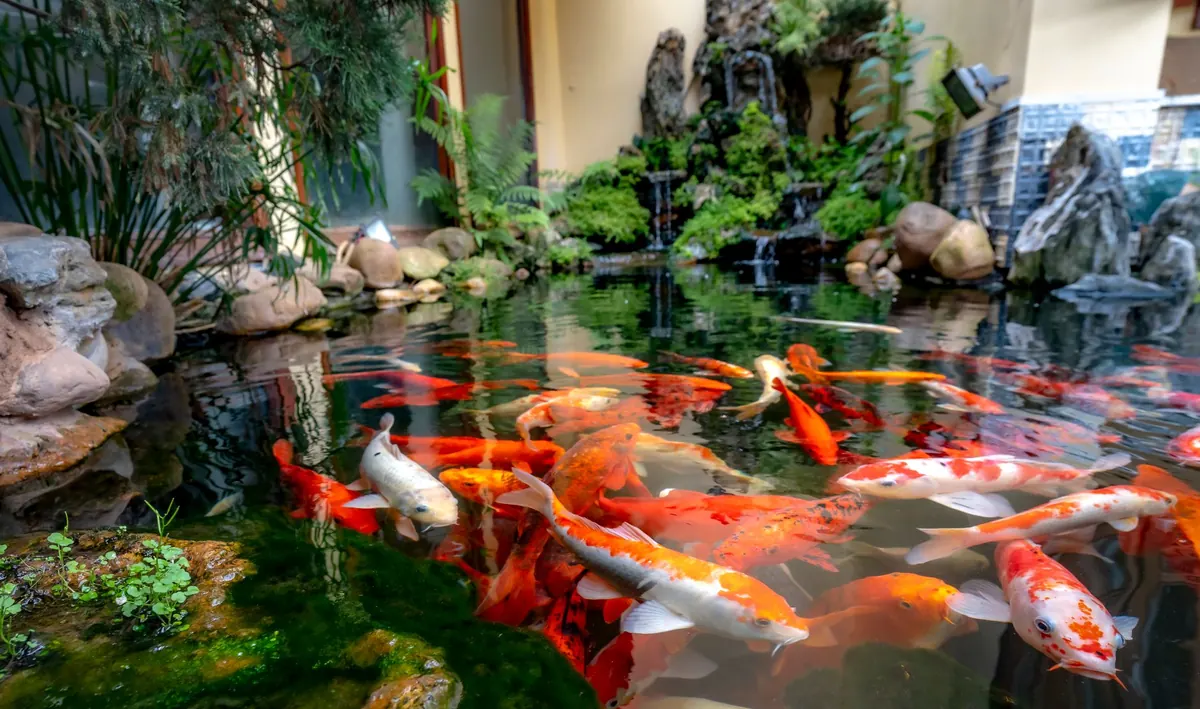
Don't add fish. Goldfish eat tadpoles, frog spawn and almost everything else you're trying to attract, and they cloud the water. A fish-free pond is easier to look after, too.
If space really is tight, a half-barrel, an old Belfast sink or a large planting trough will do the job. A container pond needs a ramp — a piece of rough stone or a gently sloping plank — so anything that falls in can climb out. And if there are toddlers in the garden, plan for that first: a fence, a rigid mesh cover or a raised container pond is far easier to arrange before the hole is dug than after.
Digging and lining
Mark the outline with a hosepipe, cut the turf off in sods and stack it. Dig in spadefuls, shaping the shelves as you go, and keep the best topsoil for planting elsewhere. Lay a plank across the hole with a spirit level on top to check the rim is true; a pond that's out of level shows an ugly strip of liner on one side and loses water on the other.
Remove sharp stones, glass and thick roots, then protect the liner:
- A layer of soft sand or old carpet (without foam backing) across the base and walls
- Purpose-made pond fleece over the top — cheap insurance against a puncture
- A butyl rubber liner, which outlasts the thin polythene sheets often sold as pond liners
Buy more liner than your measurements suggest and don't cut anything until the pond is full. Press it into the shelves and fold the corners into neat pleats rather than trimming them.
Then fill it. The weight of the water pulls the liner into every corner and shows you how much overlap you have — aim to leave 20 to 30 centimetres beyond the rim, hidden under turf, gravel or flat stones. That overlap keeps rainwater from washing soil in, and it gives small creatures a way in and out. Build a shallow pebble beach at one end and a gently sloping ramp at the other. Frogs and hedgehogs need both.
Planting in layers
Fill the pond with rainwater if you can — a water butt or a few days of waiting is worth it. Tap water is fine as a last resort: fill the pond and let it stand for a week or so before planting, so the chlorine has time to dissipate. Some water companies also add chloramine, which lingers longer, so rain is genuinely better.
Plant in baskets of low-nutrient aquatic compost rather than general-purpose potting compost, which floats away and feeds algae.
- Oxygenators: hornwort, water starwort or spiked water milfoil. Two or three bunches is plenty in a small pond.
- Marginals for the shelf: water mint, brooklime, marsh marigold, water forget-me-not, lesser spearwort.
- Floating and deep water: a dwarf water lily in the deepest part, plus a little frogbit.
- The damp edge: ragged robin, lady's smock or soft rush planted just beyond the rim.
Choose native species where you can; they support far more insects than doubles and fancy cultivars. Never take plants from the wild, and steer clear of the invasive species that are banned from sale — New Zealand pygmyweed, floating pennywort and parrot's feather are the usual culprits at car boot sales and plant swaps.
Make it a home, not just a feature
Water alone is a start; the ground around it is what turns a pond into a working one. Leave one side of the pond unmown, and pile a few logs, stones and dead leaves in a quiet corner nearby. That's where frogs and newts spend most of their year, and where insects overwinter.
Don't be too tidy. A few dead stems left standing through winter are habitat, not mess. Skip slug pellets entirely if you have amphibians — garden organically and you'll usually have more frogs than slugs within a season or two.
Birds use ponds more than people expect. They drink, bathe and pick insects off the surface. A gentle slope or pebble beach lets a blackbird wade in without soaking itself, and a flat stone at the water's edge gives dragonflies somewhere to bask. Damselflies often arrive first, sometimes within weeks.
Keeping it healthy through the year
A pond settles if you let it. In the first spring, stringy blanketweed often appears. Pull it out by hand or with a stick, leave it on the edge overnight so anything caught up in it can crawl back, then compost it. Don't reach for algicide; it kills the tiny life the pond depends on.
Autumn is the main job. Net out falling leaves before they sink, or scoop them off the bottom if you're too late. Never empty and scrub a pond — the silt and the creatures living in it are the point of the whole exercise.
In winter, if the surface freezes, don't smash the ice. The shock can harm frogs resting below. Float a ball on the surface, or stand a pan of hot water on it to melt a hole so gases can escape. Beyond that, a small pond with a deep centre and plenty of plants looks after itself. Your job is mainly to watch it — and to keep the leaves out.
Photo: Quang Nguyen Vinh / Pexels